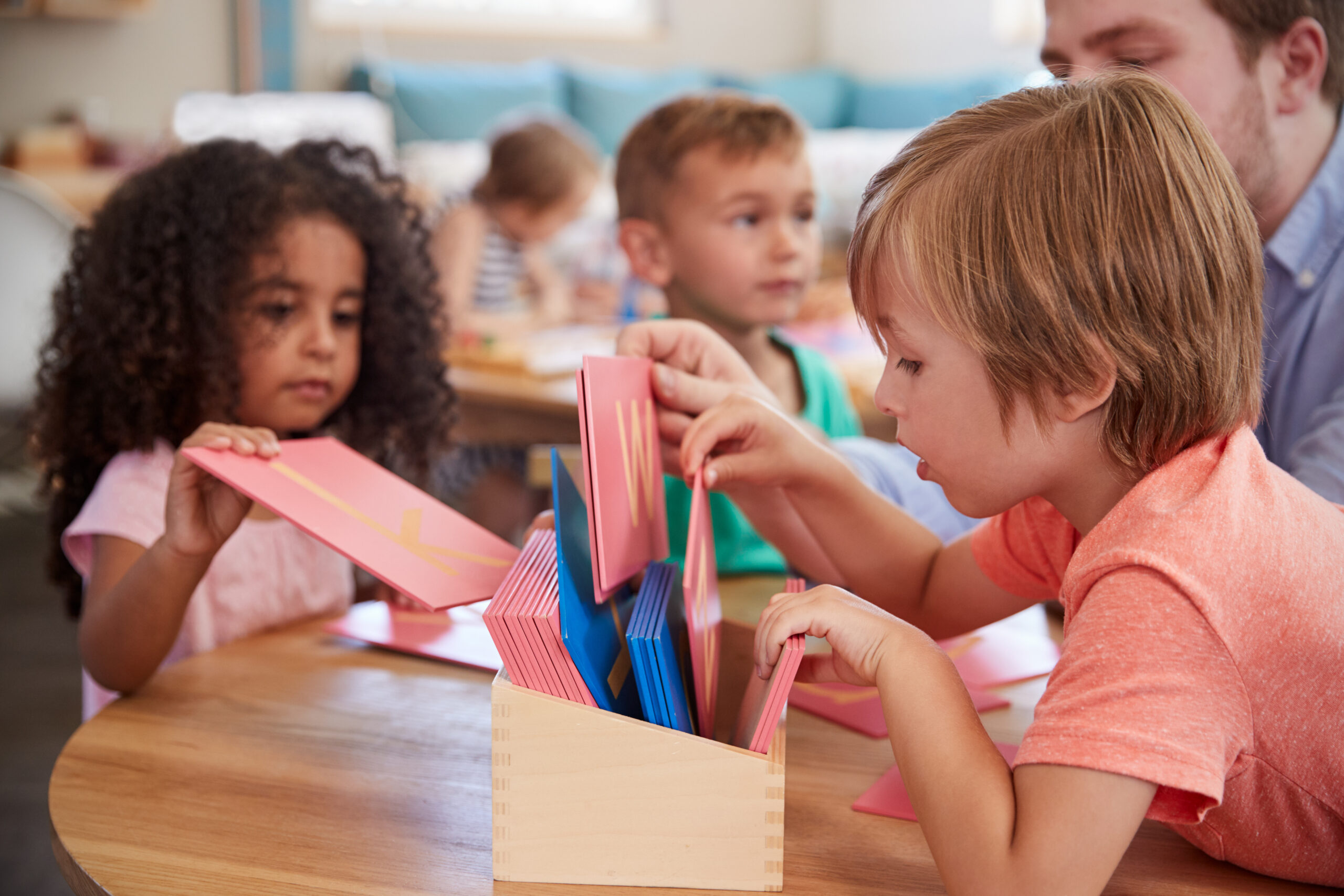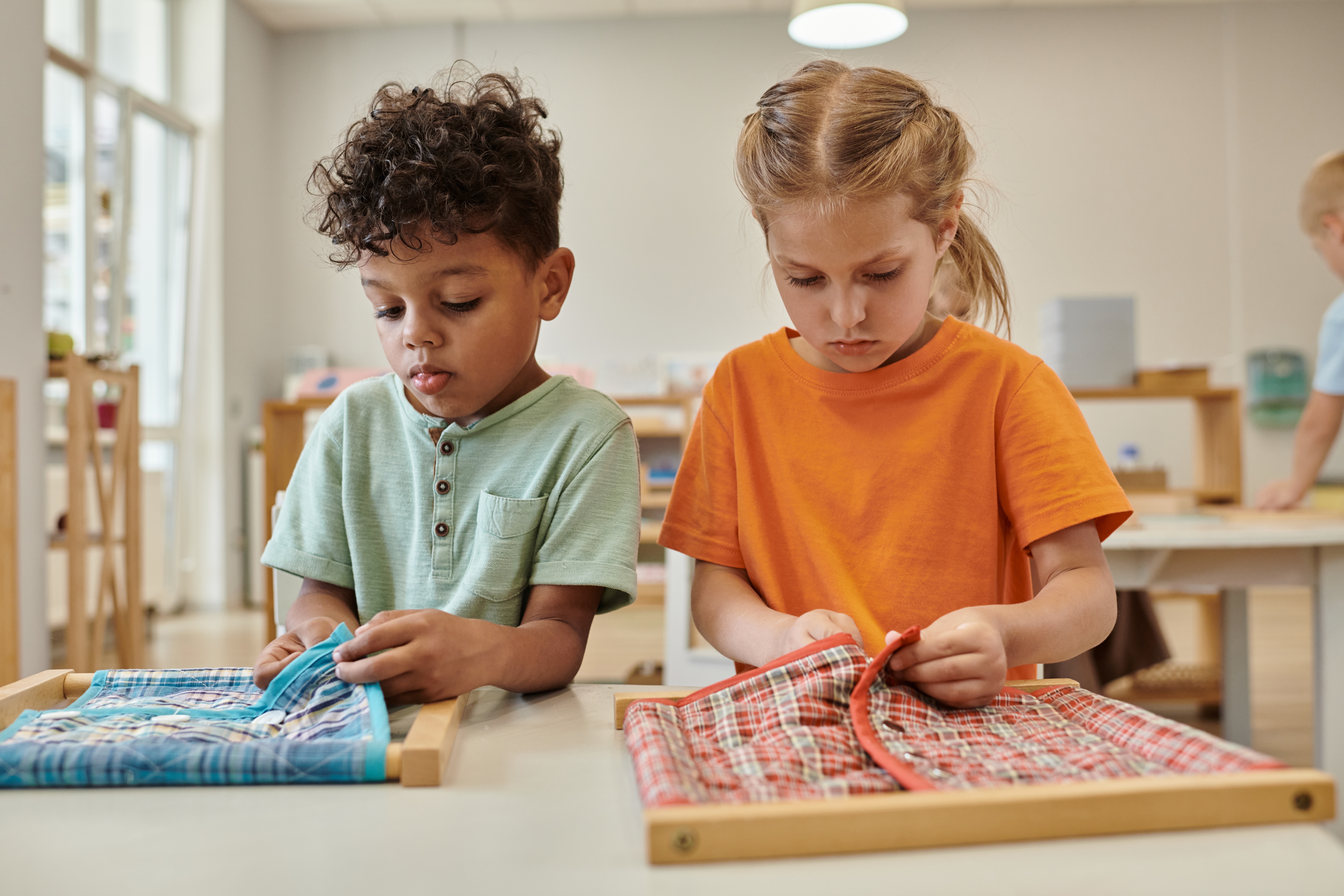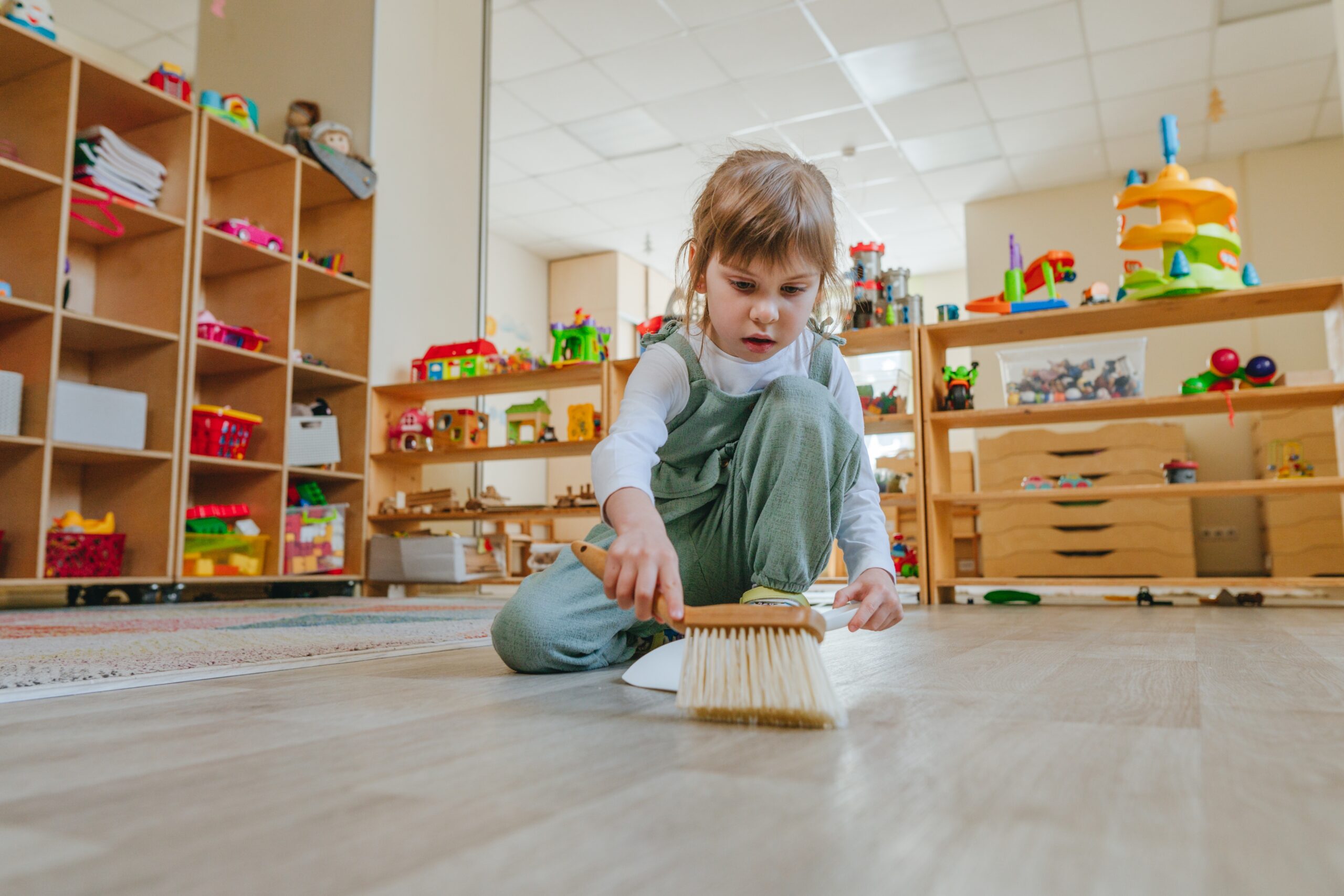
A structured classroom environment for children shapes how they feel, think, and respond throughout the day. At Kinderhaus Montessori, we see how clear structure helps children build emotional confidence in a steady and natural way. Therefore, when the environment feels organized and predictable, children begin to relax and trust their surroundings. In addition, this sense of order allows them to focus on their own growth without unnecessary stress.
Children often react to what they experience around them. A well-structured space gives them clarity, so they can understand what comes next and how to respond. As a result, confidence starts to grow from daily routines and familiar patterns.
Why a Structured Classroom Environment for Children Supports Emotional Growth
A structured classroom environment for children gives them a clear sense of direction. When materials, routines, and expectations stay consistent, children feel more secure. As a result, they spend less energy guessing what to do and more time learning.
Uncertainty often creates anxiety in young children. However, structure removes that uncertainty and replaces it with stability. That is to say, children can predict their day, which helps them feel in control.
In Montessori settings, structure does not mean restriction. Instead, it creates freedom within clear limits. You can learn more about this balance through Montessori education, where order and independence work together to support emotional growth.
How Daily Routines Build Trust and Confidence
Children rely on repetition to understand the world around them. A structured classroom environment for children uses consistent routines to create that understanding. Therefore, when the same patterns repeat each day, children begin to feel secure.
Simple routines like arrival, work time, and clean-up give children a sense of rhythm. As a result, they move through their day with less confusion. They know what is expected, which reduces stress and builds confidence.
In addition, routines help children manage transitions more smoothly. Instead of feeling overwhelmed by change, they adapt with ease. Programs designed with this approach, such as those found in Montessori programs, support children through every stage of their daily experience.
The Connection Between Structure and Independence
A structured classroom environment for children does not limit freedom. Instead, it creates the conditions for independence to grow. When children understand their environment, they feel confident making choices.
For example, clearly arranged materials allow children to select activities on their own. As a result, they develop decision-making skills without hesitation. This process builds both independence and emotional confidence.
Moreover, structure teaches responsibility. Children learn where things belong and how to care for their space. That is to say, they take ownership of their environment, which strengthens their sense of self.
At Kinderhaus Montessori, structure supports independence in a natural way. Children are not directed at every step. Instead, they are guided within a clear and supportive framework.
How Organized Spaces Reduce Emotional Overload
Children can feel overwhelmed when their surroundings lack order. A structured classroom environment for children reduces that overload by keeping everything clear and simple. Therefore, children can focus on one task at a time.
Clutter and noise often lead to distraction and frustration. However, organized spaces help children stay calm and engaged. As a result, they respond more thoughtfully in different situations.
In addition, an orderly space supports concentration. Children learn to complete tasks without interruption. This focus builds patience, which is an important part of emotional confidence.
Structured learning environments like those in a Montessori academy are designed to support both focus and emotional balance. Every element serves a purpose, which helps children feel at ease.
The Role of Clear Expectations in Emotional Development
Children feel more confident when they understand what is expected of them. A structured classroom environment for children provides clear and consistent expectations. Therefore, children can act with confidence instead of uncertainty.
When expectations stay consistent, children learn to regulate their behavior. As a result, they develop self-discipline over time. They begin to make thoughtful choices instead of reacting impulsively.
In addition, clear expectations reduce confusion in social situations. Children understand how to interact with others respectfully. This clarity improves both communication and emotional awareness.
Families often notice that children carry these habits beyond the classroom. They become more patient, cooperative, and confident in everyday situations.
How Structure Supports Long-Term Emotional Confidence
Emotional confidence develops through repeated experiences in a structured classroom environment for children. Each day adds consistency, which strengthens a child’s sense of security. Therefore, confidence grows step by step.
Children who learn in structured environments often approach challenges with a calm mindset. As a result, they are more willing to try new activities without fear of failure. This willingness builds resilience over time.
Furthermore, structured environments help children connect effort with results. They see how their actions lead to outcomes, which strengthens self-belief. This understanding becomes a strong foundation for future learning.
You can see how this approach continues beyond daily learning through community involvement and Montessori events, where children apply their skills in real-life situations.
At Kinderhaus Montessori, structure is not about control. It is about creating a space where children feel safe, capable, and ready to grow. A structured classroom environment for children supports emotional confidence by giving them the tools they need to succeed.
FAQs
What is a structured classroom environment for children?
A structured classroom environment for children includes clear routines, organized materials, and consistent expectations. It helps children feel secure and confident throughout their day.
How does structure help with emotional confidence?
Structure reduces uncertainty and stress. As a result, children feel more in control and develop confidence in their actions and decisions.
Can structure limit creativity in children?
No, structure actually supports creativity. It provides a clear foundation, so children feel safe exploring new ideas without confusion.
Why are routines important for young children?
Routines help children understand what to expect. Therefore, they feel more secure and can focus on learning instead of worrying about changes.
How can parents create structure at home?
Parents can create simple daily routines and keep spaces organized. In addition, clear expectations help children feel confident and supported.