Many parents want to support early reading, and Montessori letter learning offers a simple and natural path. At Kinderhaus Montessori, children explore letters through sound, movement, and touch instead of memorization. This approach builds strong reading skills from the beginning, and it helps children connect letters with meaning. As a result, children gain confidence as they start recognizing sounds and forming words. The process feels calm and engaging, which encourages steady progress without pressure.
Why Montessori Letter Learning Starts With Sounds
Montessori letter learning begins with sounds, not names. Children first hear and practice the sound each letter makes. Therefore, they build a strong connection between spoken language and written symbols. This method helps children read words sooner because they understand how sounds come together.
Teachers guide children step by step using clear and consistent techniques. For example, a child may trace a letter while saying its sound out loud. In other words, learning becomes active and memorable. This foundation makes reading feel logical instead of confusing. You can learn more about this structured approach through Montessori education, which explains how early literacy develops naturally.
How Hands-On Materials Support Letter Recognition
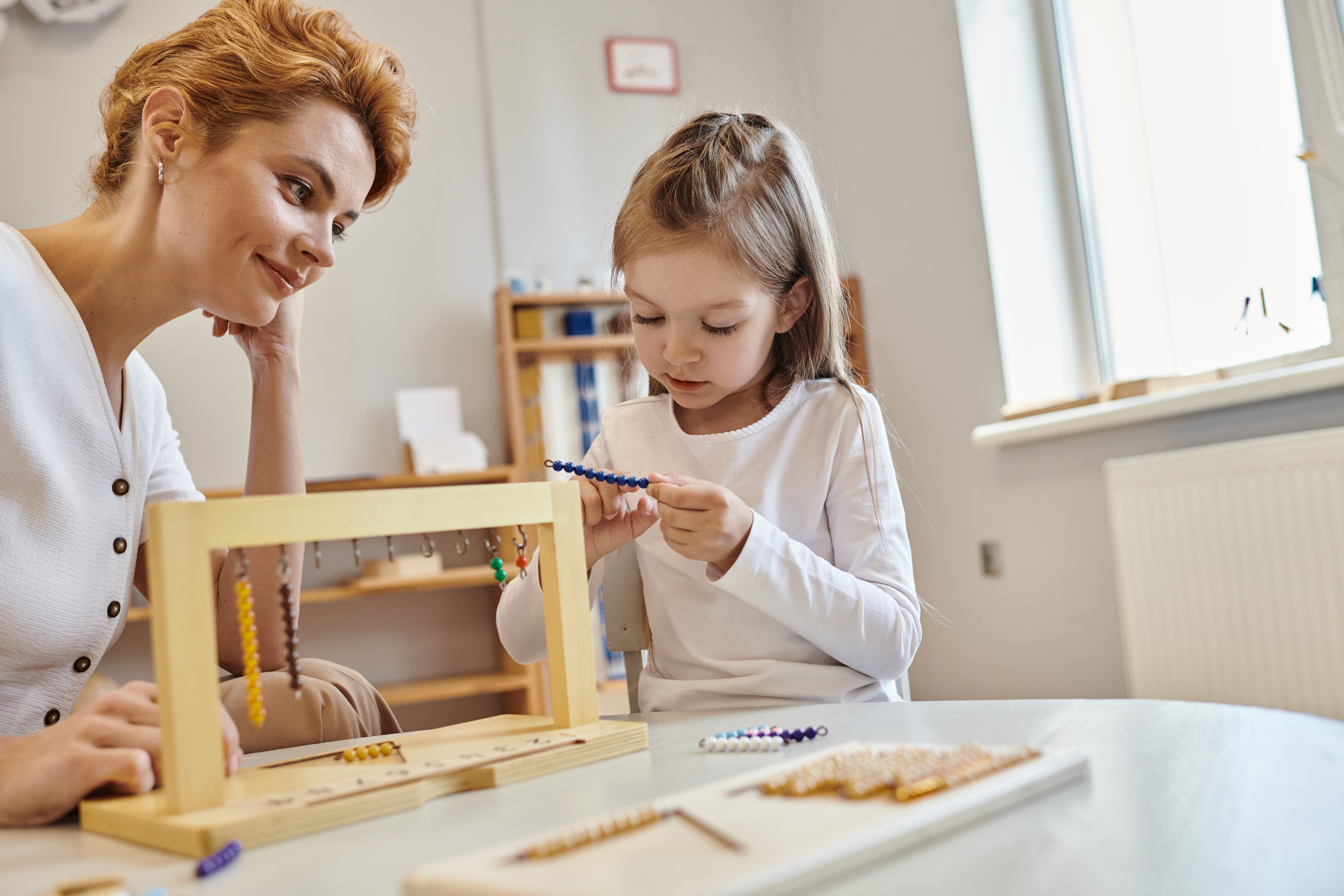
Children learn best when they use their senses. Montessori letter learning uses tools like sandpaper letters and movable alphabets. As a result, children can see, touch, and hear each letter at the same time. This multi-sensory approach strengthens memory and improves recognition.
When children repeat these activities, they begin to identify letters quickly. Moreover, they start connecting letters with familiar sounds from everyday words. This helps them move from recognition to reading without stress. At Kinderhaus Montessori, each activity matches the child’s readiness, which keeps learning smooth and enjoyable.
Programs designed around these methods support early literacy growth. You can explore how these lessons are organized through the structured programs that guide children from basic sounds to reading.
Turning Letter Practice Into Real Reading Skills
Montessori letter learning moves beyond simple recognition. Children begin to combine sounds to form words. For instance, they may build short words using movable letters and then read them aloud. This step turns practice into real reading.
Meanwhile, children develop listening skills and attention to detail. They learn to hear differences between sounds and match them to letters. This skill improves pronunciation and reading accuracy. In addition, children gain confidence as they see their progress.
At Kinderhaus Montessori, teachers create a supportive space where children can explore language freely. They encourage practice through meaningful activities, which helps children stay engaged. As a result, reading becomes a natural next step.
Building Confidence Through Independent Learning
Confidence grows when children feel capable. Montessori letter learning allows children to choose activities and repeat them as needed. Therefore, they learn at their own pace without feeling rushed.
Children also develop independence during this process. They begin to recognize when they are ready for new challenges. This self-awareness helps them stay motivated. In addition, they take pride in their achievements, which strengthens their interest in reading.
As children continue learning, they build a strong literacy foundation. Families can support long-term development by exploring advanced learning opportunities through the academy, where reading and writing skills continue to grow.
Why Early Letter Learning Shapes Future Success
Early literacy plays a key role in future learning. Montessori letter learning focuses on understanding rather than memorization. As a result, children develop strong reading skills that support all subjects.
Children also improve their communication skills. They learn to express ideas clearly and understand written information. Moreover, they build focus and patience through regular practice. These skills benefit them both in school and in everyday life.
At Kinderhaus Montessori, children experience a learning environment that supports growth and curiosity. Events and classroom activities often show how children engage with letters and language. Parents can learn more about these experiences through upcoming events that highlight real learning moments.
Helping Children Enjoy the Journey to Reading
Montessori letter learning turns reading into an enjoyable journey. Children explore letters through play, repetition, and discovery. Therefore, they develop skills without feeling pressure.
Kinderhaus Montessori provides a calm and structured environment where children feel supported. They build strong reading skills while gaining confidence and independence. In conclusion, this approach helps children see reading as a natural and enjoyable part of life.
FAQs
What is Montessori letter learning?
Montessori letter learning is a hands-on approach where children learn letter sounds and recognition through sensory activities and real experiences.
At what age can children start learning letters?
Children can begin exploring letter sounds and shapes during preschool years, depending on their interest and readiness.
Why does Montessori focus on sounds first?
This method helps children understand how words are formed, making it easier for them to read and spell later.
Can children learn to read without memorizing letters?
Yes, children learn to read by connecting sounds and forming words naturally instead of relying only on memorization.
How can parents support letter learning at home?
Parents can read with their child, practice sounds, and encourage simple word-building activities during daily routines.