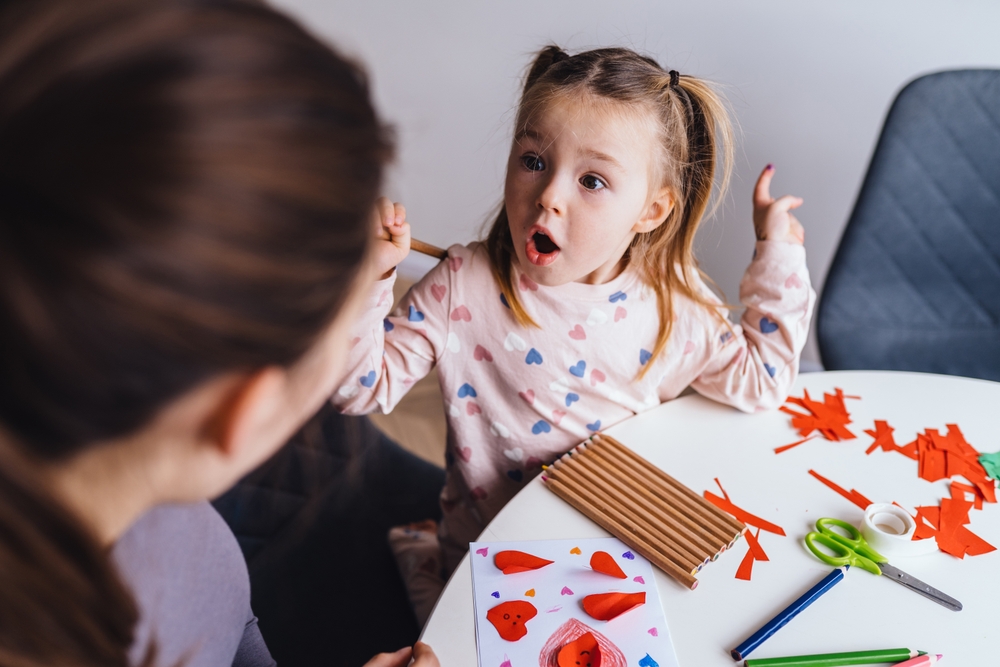
One of the most common questions parents ask before enrolling is simple: what will my child actually do all day? It is a completely natural question. After all, leaving a young child in a new environment requires trust, and trust grows through transparency. At Kinderhaus Montessori on Southport Road SW in Calgary, we welcome that question — and this post answers it in full.
7:30 AM — Arrival and Morning Welcome
Doors open at 7:30 AM to accommodate families commuting through Macleod Trail from communities like Cranston, Auburn Bay, Evergreen, and Canyon Meadows. As each child arrives, they greet their guide, hang up their jacket, and change into indoor shoes. This simple routine is not just practical — in Montessori, it marks the beginning of the work cycle. Furthermore, children build responsibility and confidence through consistent, predictable rituals every single morning. As a result, even the youngest children settle quickly and move into their day with purpose.
8:00 AM — Free Work Period Begins
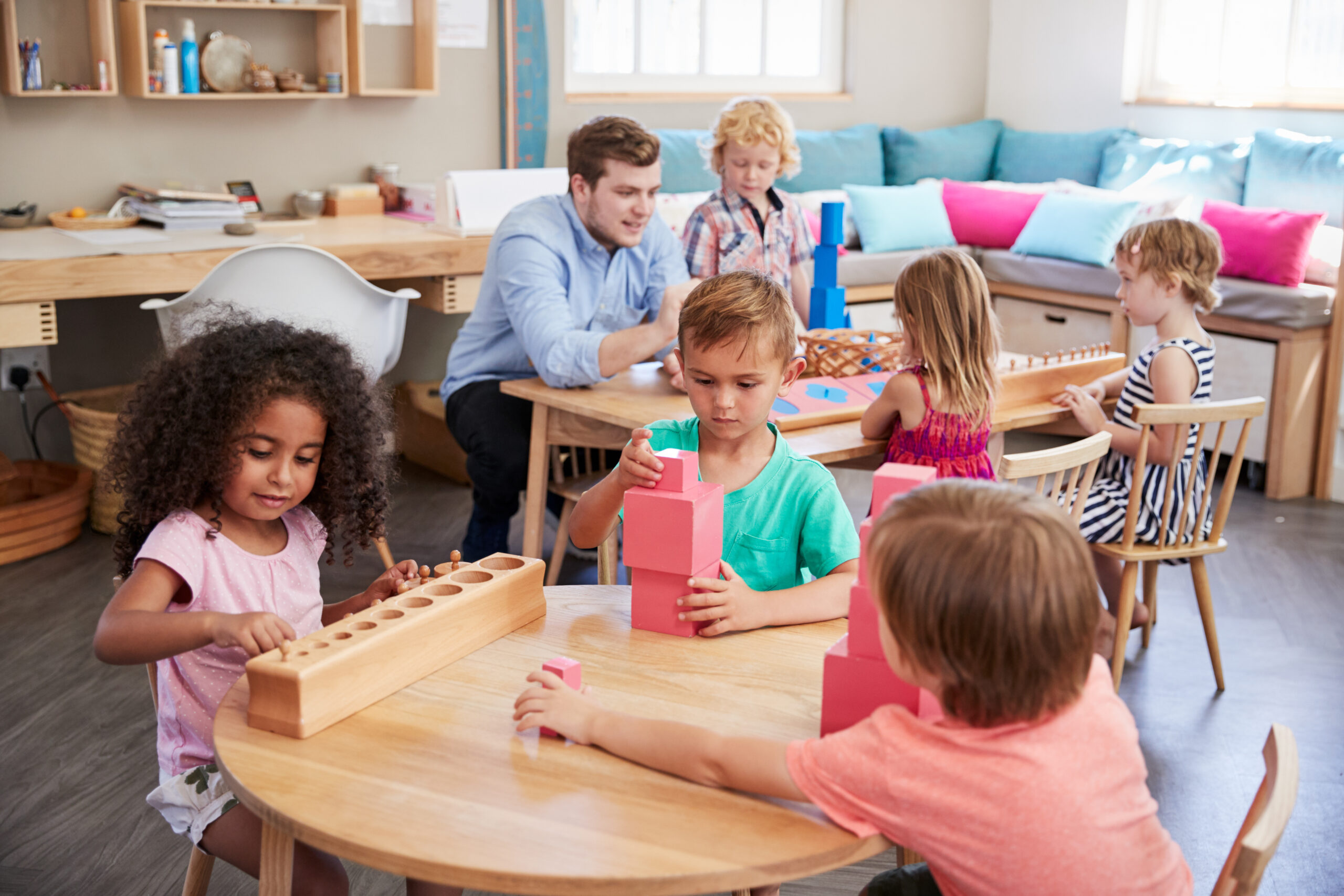
The heart of the Montessori morning is the uninterrupted work cycle, which runs for approximately three hours. During this time, children choose their own activities from the prepared environment. For example, they may work with sensorial materials, practice language exercises, explore mathematics tools, or engage in practical life activities like pouring, folding, or caring for plants. In addition, guides observe quietly and offer individual lessons when a child shows readiness for the next challenge. Therefore, there is no bell, no forced transition, and no whole-class instruction during this period. You can explore the specific materials and activities we use on our programs page.
10:30 AM — Snack and Outdoor Time
After the work cycle, children prepare their own snack area, serve themselves, and clean up afterward — all practical life skills in action. Following snack, outdoor time gives children space to run, explore, and reset. In the Montessori approach, physical movement supports cognitive development. In other words, outdoor time is not a break from learning — it is a natural and essential part of it.
11:30 AM — Circle Time
Next, the guide brings the group together for songs, stories, cultural lessons, and conversations. Topics rotate through geography, biology, science, music, and seasonal themes. Moreover, this is when grace and courtesy lessons take place — how to greet someone, how to ask for help, and how to wait patiently. As a result, children develop social awareness alongside academic skills every single day.
12:00 PM — Lunch
After circle time, children eat together in a social setting. They bring lunch from home and eat at the classroom tables. Meanwhile, guides model table manners and conversation, reinforcing the practical life skills children develop throughout the morning. Consequently, lunchtime becomes another opportunity for growth rather than simply a pause in the day.
1:00 PM — Rest or Quiet Activity
Following lunch, younger children rest during this period. Older children, on the other hand, engage in quiet independent activities, reading, or creative work. This rhythm mirrors natural energy cycles and, as a result, prevents afternoon exhaustion. Therefore, children stay focused and engaged through the remainder of the day.
2:30 PM — Afternoon Work and Activities
After rest, a second work period begins, often incorporating art, cultural projects, group activities, or continuation of morning work. In particular, children in our Montessori Academy program use afternoons for more structured academic preparation for Grade 1 and beyond. This means that by the time children transition to traditional school, they already feel confident and capable.
4:00 PM — End of Day
Finally, children tidy their work areas, collect their belongings, and prepare for pickup. The day ends just as it began — with a clear, calm routine that gives children a genuine sense of security and accomplishment. In short, every part of the day serves a developmental purpose.
What Makes This Day Different
In a traditional daycare, adults direct the entire schedule. At Kinderhaus Montessori, however, the child leads within a carefully prepared structure. Consequently, children arrive home not exhausted from being managed, but genuinely satisfied from a day of purposeful, self-directed work. In addition, this approach builds the kind of intrinsic motivation that stays with a child long after they leave our classroom.
To learn more about the people and philosophy behind this daily rhythm, visit our about page. Kinderhaus Montessori sits at Suite 208, 10601 Southport Road SW, Calgary. Spots for the 2026/2027 school year are still available for children from 12 months onward. The best way to truly understand a Montessori day is to see one in person. Therefore, book a classroom tour and we will walk you through everything — call us at 403-452-1860.
FAQs
What time does Kinderhaus Montessori open? Doors open at 7:30 AM for morning drop-off.
Do children choose their own activities all day? During work periods, yes. Children choose freely from prepared materials. However, circle time, snack, and outdoor time follow a consistent daily rhythm.
What should my child bring each day? A packed lunch, a change of clothes, and indoor shoes. Guides will inform you if anything specific is needed for upcoming activities.
Is there supervision during outdoor time? Yes, trained Montessori guides supervise all outdoor time.
Can I visit during the day? We welcome parent observation visits. Therefore, contact us to schedule a time that works without disrupting the children’s work cycle.