At Kinderhaus Montessori Academy, the Montessori kindergarten year turns two years of steady groundwork into confident, independent learning. This is the capstone of the three-year cycle, and it is where much of the magic happens. Children who were once the youngest now lead the room. They read, write, and solve problems with real pride. Families in Calgary often tell us this year surprised them most. Here is what the Montessori kindergarten year offers and why it matters.
Why the Montessori Kindergarten Year Matters
The first two years plant seeds. The kindergarten year lets those seeds bloom. Children now hold the skills, focus, and social maturity to lead.
They mentor younger classmates and model calm, respectful behaviour. Teaching a friend how to use a material cements a child’s own understanding. Leadership becomes a daily habit rather than a rare event.
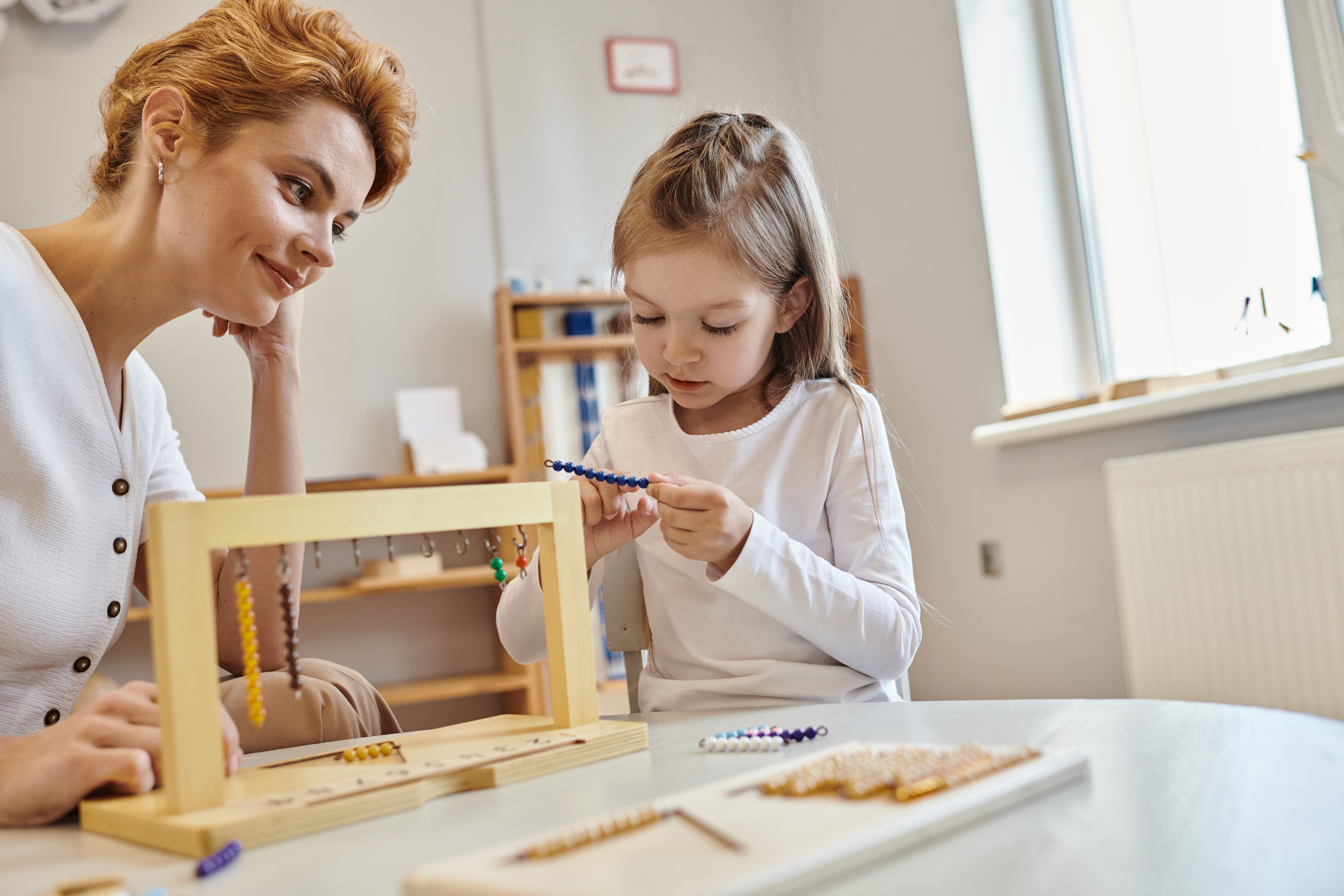
Academics also accelerate. Reading often clicks into place. Math moves from counting into addition, subtraction, and place value. You can see how children absorb numbers naturally through hands-on work.
School Readiness the Montessori Way
Readiness is more than knowing letters. It includes focus, patience, and the ability to finish a task without constant help. A strong year builds all three.
Children plan their own morning, choose challenging work, and see it through. This habit of self-direction transfers directly to later grades. Confidence grows because success comes from real effort.
The table below maps common readiness goals to daily Montessori practice.
| Readiness skill | What it looks like | How Montessori builds it |
|---|---|---|
| Focus | Sticking with a task | Long, uninterrupted work cycles |
| Early literacy | Reading simple words | Phonics materials and daily story time |
| Number sense | Understanding quantity | Golden beads and number work |
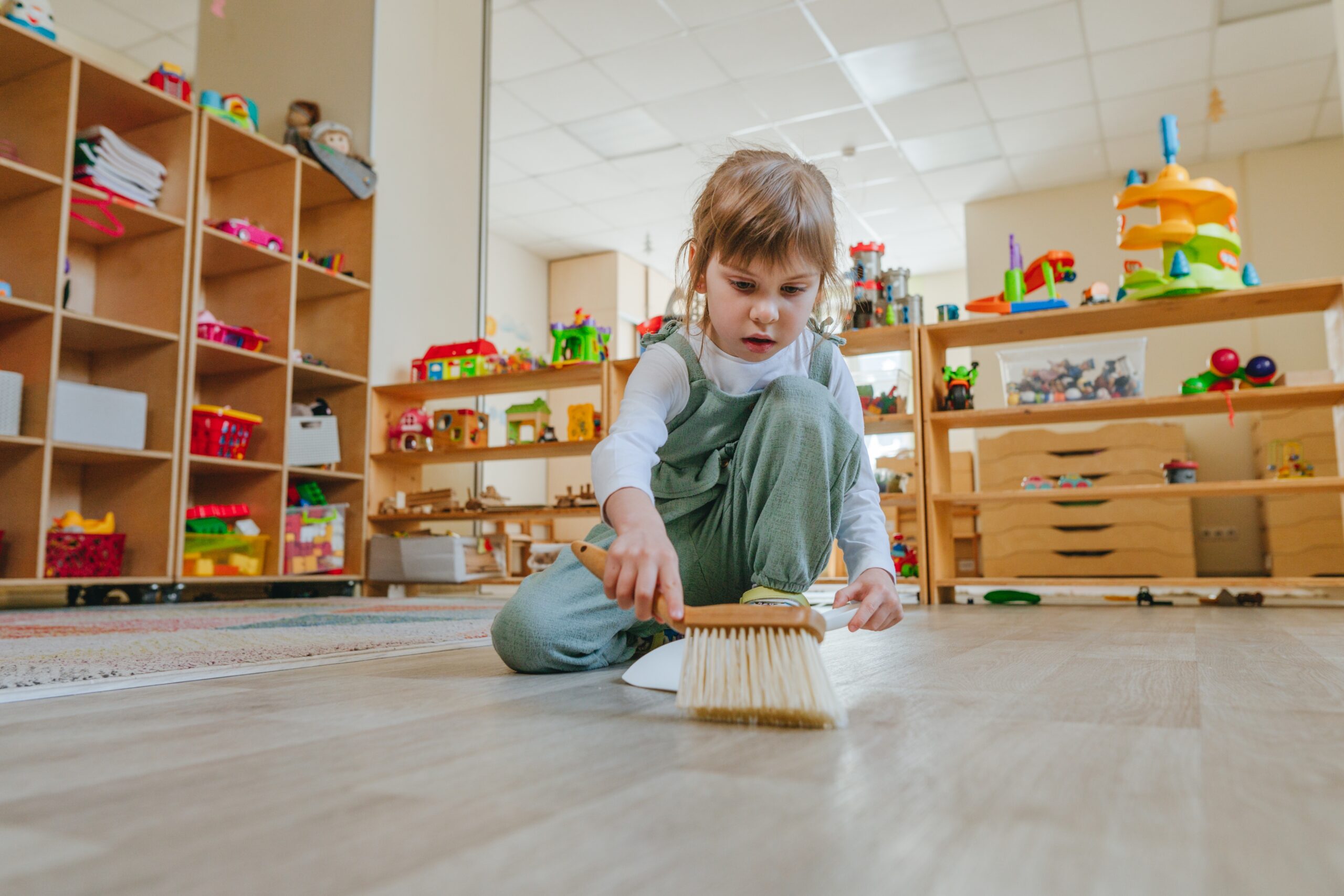
| Independence | Managing belongings | Care of self and classroom routines |
| Cooperation | Sharing and helping | Mixed-age mentoring and group lessons |
Reading and Writing Take Off
Many children begin writing before they read. Montessori language work follows this natural order. Children trace sandpaper letters, build words with a moveable alphabet, then blend sounds into reading.
Because the work is hands-on, letters and sounds feel concrete. Progress is personal, not a race. Some children read early, while others bloom a little later, and both paths are honoured.
Our post on early reading and letter work explains the sequence in more detail. The steady build-up gives children a firm literacy base for grade one.
Math That Makes Sense
Montessori math starts with things children can hold. Beads, rods, and cards turn abstract numbers into concrete quantities. A child feels the difference between ten and a thousand.
From there, operations follow. Children add, subtract, and explore place value with real materials. Understanding comes first, and memorised facts follow naturally.
- Concrete first: children handle quantities before symbols.
- Self-correcting: materials show mistakes without adult scolding.
- Confidence: success builds a positive view of math early.
Industry estimates suggest that early confidence with numbers predicts stronger math attitudes later. That confidence is exactly what this year nurtures.
Leadership and Social Growth in Montessori Kindergarten
The oldest children carry real responsibility. They welcome newcomers, lead lessons, and keep the room in order. This role reshapes how they see themselves.
A child who guides a younger friend learns patience and empathy. They also revisit their own early lessons and understand them more deeply. Teaching, it turns out, is powerful learning.
Grace and courtesy lessons support this growth. Children practise greeting visitors, waiting their turn, and resolving small conflicts. These habits build a kind, steady community.
By spring, the change is clear. Children stand taller, speak up, and take pride in their group. That social confidence travels with them into grade one.
Getting Ready to Enrol
A visit is the best first step. Watch older children lead lessons and manage their own work. You will quickly see what the year offers. Explore our academy to learn how each stage connects.
For a wider view of the approach, the American Montessori Society shares helpful background for parents. Pair that reading with a classroom visit, and the picture becomes clear. Then reach out, and we will help you plan the next step.
What Parents Notice at Home
The kindergarten year shows up beyond the classroom. Many parents notice new confidence at home. Children take on chores, make plans, and finish what they start.
Small routines become smoother. A child sets the table, packs a bag, or tidies a room without being asked twice. These habits grow from real practice at school.
Curiosity also spills over. Children ask questions, sound out signs, and count things around the house. Learning starts to feel like play rather than a task.
- Independence: children manage more of their own daily routine.
- Focus: they stick with puzzles, books, and projects longer.
- Kindness: mentoring at school makes them gentler with siblings.
None of this happens overnight. It builds slowly across a rich, steady year. By spring, the growth is impossible to miss.
A Calm, Focused Classroom
The room itself does quiet work. Soft light, tidy shelves, and gentle voices set the tone. Children respond to that calm with calm of their own.
Order helps children think clearly. When every material has a place, a child knows where to begin and where to return. That predictability lowers stress and lifts focus.
Guides protect this peaceful mood on purpose. They move slowly, speak softly, and avoid rushing children through work. The result is a room where deep concentration feels natural.
Children carry that steadiness with them. They learn to settle, breathe, and try again after a setback. Over time, a calm classroom teaches emotional balance as surely as it teaches letters and numbers. These are skills that serve them far beyond any single grade.
Frequently Asked Questions
What is the Montessori kindergarten year?
It is the third year of the mixed-age preschool cycle, for children around five. Children take on leadership roles and tackle more advanced language and math work. This year often brings big leaps in reading and confidence.
Will my child be ready for grade one afterward?
Yes. A Montessori kindergarten builds reading, writing, math, and strong work habits. Children learn to focus, plan, and finish tasks on their own, which supports a smooth move to grade one.
Is the kindergarten year worth staying for?
Many educators consider it the most valuable year of the cycle. Children finally lead the community and apply skills they spent two years building. Leaving early can mean missing that pay-off.
How much screen time is involved?
Very little. Learning happens through hands-on materials, conversation, and real activities. Concrete experience comes first, which helps abstract ideas stick.
How do you share my child’s progress?
Guides observe daily and keep records of each child’s work. Parents meet with guides for regular conferences. You will always know how your child is growing.
Visit Kinderhaus Montessori Academy
Ready to see a Montessori classroom in action? Reach out and we will help you plan a visit.
- Phone: 403-452-1860
- Email: info@kinderhausmontessori.ca
- Address: Suite 208, 10601 Southport Rd SW, Calgary, Alberta T2W 3M6