Kinderhaus Montessori Academy helps families recognize what a trustworthy Montessori school Calgary parents can rely on actually looks like. Choosing where your child spends their early years is a big decision, and the word "Montessori" is not regulated. That means two schools can use the same name yet feel completely different. This guide walks you through the practical signs of quality, the questions worth asking, and the quiet details that separate a true Montessori environment from a copy. Use it to visit with confidence and to trust what you see.
Why Quality Varies So Much Between Schools
Montessori is a method, not a trademark. Any program can borrow the name without following the approach. For parents, that makes careful looking essential.
A strong program rests on a few clear pillars. These include trained guides, authentic materials, and a calm, prepared classroom. When those pillars are missing, the label alone means very little. You can learn more about the method on our overview of the Montessori approach, which explains how the pieces fit together.
The good news is that quality is visible once you know where to look. You do not need a teaching degree to spot it. You simply need to watch how children and adults move through the day.
Signs of a Strong Montessori School in Calgary
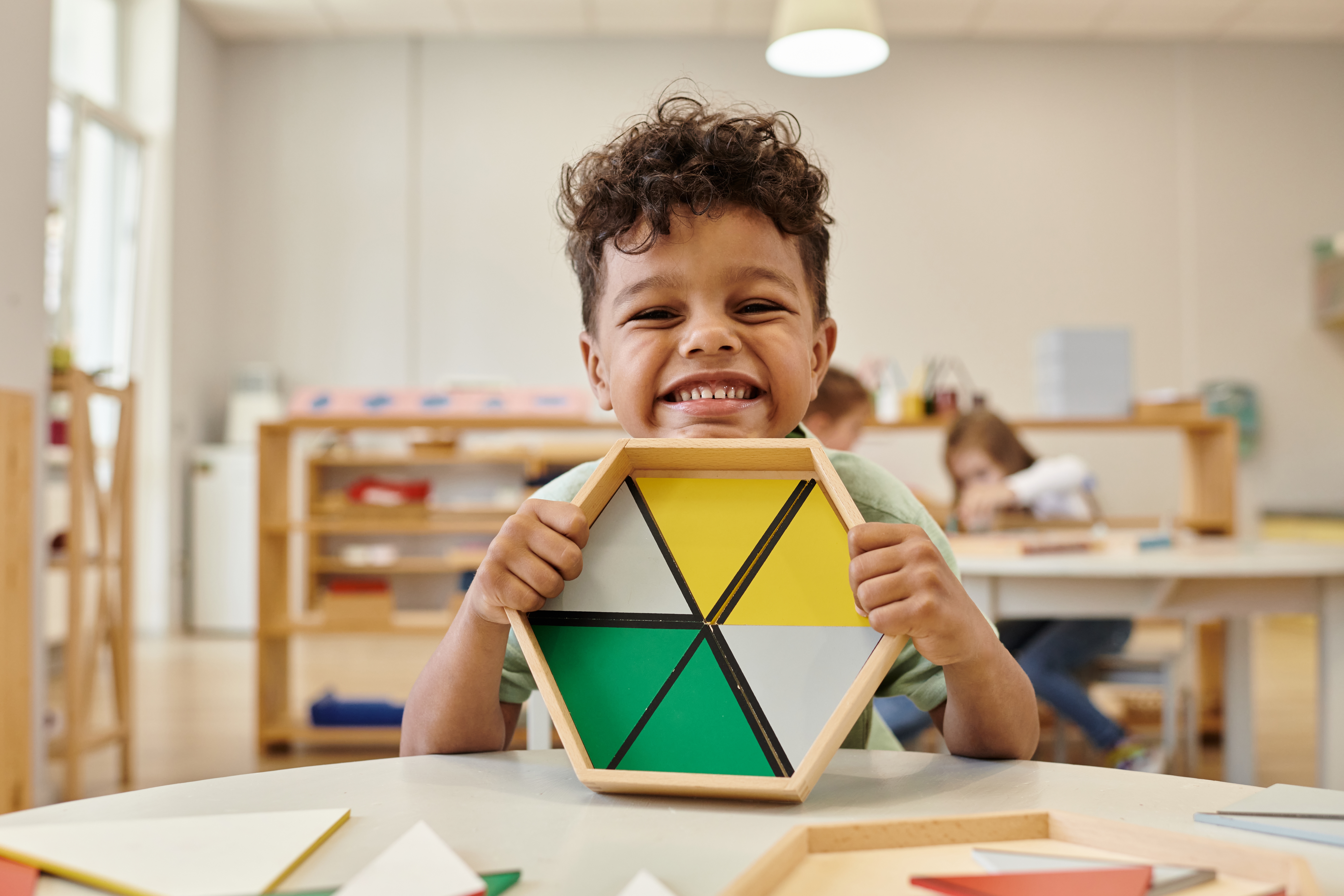
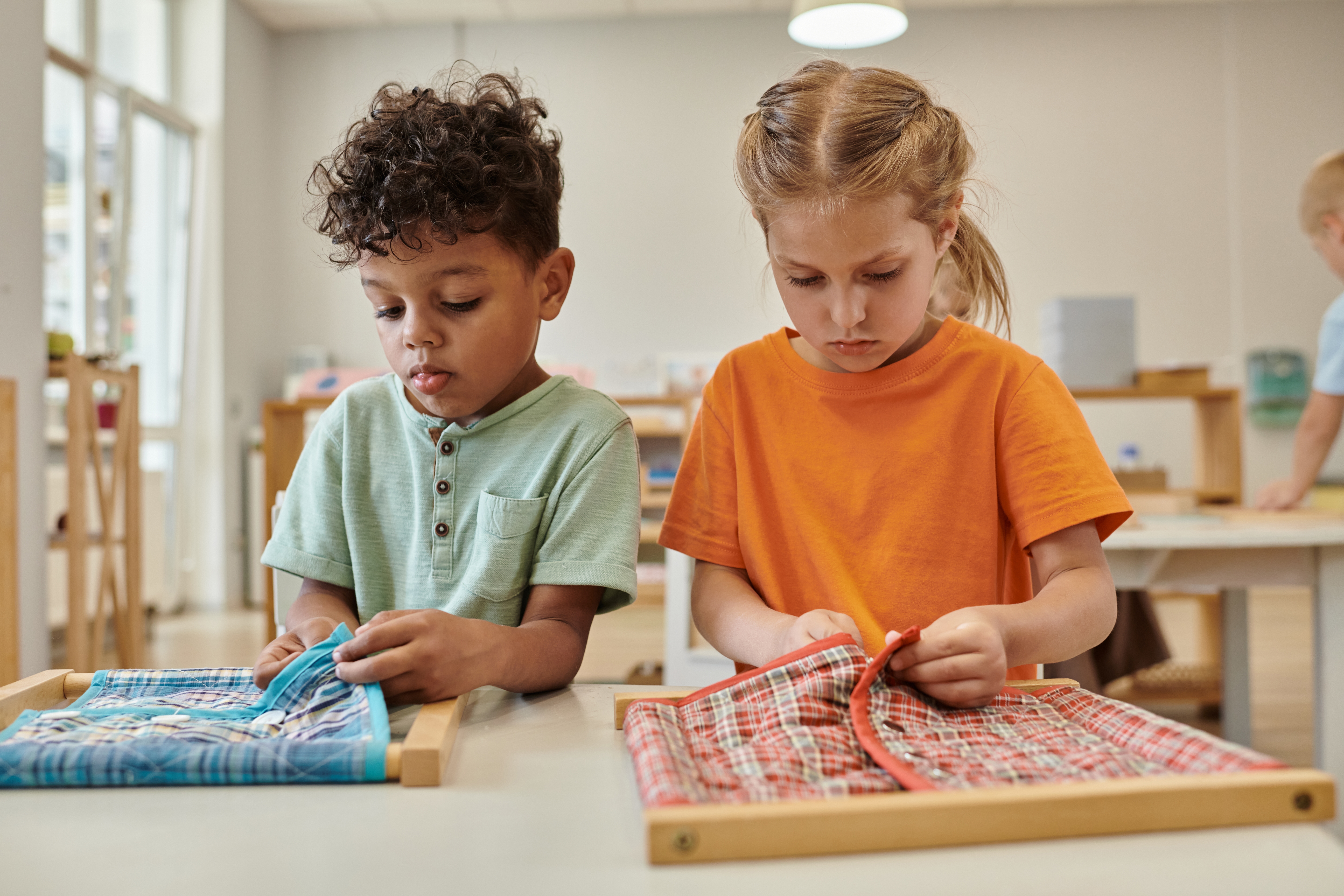
The clearest sign is a calm, purposeful room. Children work on real tasks, often alone or in small groups, while a guide observes and steps in gently. Nobody is rushing the whole class through the same worksheet.
Look for trained guides who speak softly and follow the child’s lead. Look for shelves of hands-on materials arranged in order, within reach of small hands. Look for mixed-age groups, where older children model skills for younger ones.
These details are not decoration. They are the working parts of the method, and you can read about them in detail on our academy page.
Here is a simple way to compare what you see on a visit.
| Quality marker | What it looks like | What to ask on a tour |
|---|---|---|
| Trained guides | Calm adults who observe and guide | How are your teachers trained? |
| Prepared environment | Orderly, child-height shelves | May I watch a work period? |
| Mixed-age classroom | Three-year age span in one room | How do ages learn together? |
| Uninterrupted work | A long, quiet work cycle | How long can children focus? |
| Real materials | Hands-on, self-correcting tools | How do children choose work? |
Questions to Ask Any Montessori School in Calgary
A good tour is a two-way conversation. The answers tell you as much as the classroom does. Trust a school that invites your questions rather than rushing past them.
Start with teacher training. Ask who guides each room and how they learned the method. Authentic training is the backbone of a real Montessori school in Calgary, and a confident program will explain it plainly.
Then ask about the daily rhythm. A protected, uninterrupted work period is a signature of the approach. Children need time to settle, choose work, and reach deep focus without being pulled away every few minutes.
- How are your guides trained in the Montessori method?
- How long is the daily work cycle?
- How do children of different ages learn together?
- How do you track each child’s progress?
- May I observe a class before I decide?
What a Prepared Environment Does for Children
A prepared environment is a classroom designed around the child. Everything has a place, and everything is sized for small bodies. This order is calming, and it invites independence.
Children learn to choose work, finish it, and return it to the shelf. These small acts build concentration, care, and self-control. Over months, those habits grow into real confidence.
Our guides prepare each shelf with purpose, then step back so children can explore within clear limits. You can see how this plays out across ages on our programs for children from 12 months to six years.
How a Strong Program Supports Families
The right school partners with you, not just your child. Clear communication, warm guides, and an open-door culture make the early years far smoother for everyone.
Ask how the school shares observations and how it handles settling-in. A thoughtful program expects a few bumps and has a gentle plan for them. That steadiness matters as much as the materials on the shelf.
For wider context on recognized Montessori standards, the Association Montessori Internationale (AMI) outlines what authentic training and classrooms involve. It is a helpful reference as you compare options across the city.
Red Flags That Signal a Weaker Program
Not every warning sign is obvious, so it helps to know what to watch for. A noisy, chaotic room is one clear flag. Genuine classrooms are calm because children are absorbed in purposeful work.
Be cautious when materials sit out of reach or look purely decorative. The tools should be used daily, not displayed on a high shelf. Children should handle them, explore them, and return them with care.
Another flag is a rigid, whole-group schedule. If every child does the same task at the same moment, the room is not truly following the child. A strong program protects individual choice within a steady, predictable routine.
Finally, notice how staff answer tough questions. Vague or defensive replies are a signal to keep looking. A confident team explains its training, its daily rhythm, and its reasoning without hesitation.
How a Thoughtful Montessori School in Calgary Earns Trust
Trust grows from consistency. A strong Montessori school in Calgary shows the same calm, prepared classroom whether you visit on a Monday or a Friday. What you see on a tour should match everyday life in the room.
It also shows in small moments. Watch how a guide kneels to a child’s level, waits patiently, and offers help only when it is needed. Those quiet habits reveal the culture of the whole school far better than any brochure.
Ask current families about their experience whenever you can. Honest feedback from other parents often tells you more than a glossy website ever will. When the classroom, the staff, and the families all point the same way, you have likely found a genuine fit.
A trustworthy program also keeps you informed. Regular notes, warm conversations at pickup, and an open door during the settling weeks all signal respect for your family. These habits turn a school into a true partner in your child’s growth.
Frequently Asked Questions
What should I look for in a Montessori school in Calgary?
Look for trained guides, a calm and well-ordered classroom, mixed-age groups, and long uninterrupted work periods. Ask how the school tracks each child’s progress through observation. A quality program will welcome your questions and invite you to watch a class in action.
How are Montessori schools different from regular preschools?
A genuine Montessori program uses self-correcting, hands-on materials and lets children choose purposeful work. Teachers act as guides rather than lecturers. Children move freely within clear limits, which builds focus and independence over time.
At what age can my child start?
Kinderhaus Montessori Academy welcomes children from 12 months to six years of age. Younger children begin in our Young Children’s Community, and older children move into the Montessori classroom when they are ready. We help families find the right starting point during a tour.
Do you offer tours before enrollment?
Yes. We encourage every family to visit, meet a guide, and observe the prepared environment before deciding. Seeing a calm, busy classroom is the best way to judge whether a school fits your child. Call us to arrange a visit.
Contact Kinderhaus Montessori Academy
Ready to book a tour or ask a question? Our team is happy to help you take the next step.
- Phone: 403-452-1860
- Email: info@kinderhausmontessori.ca
- Address: Suite 208, 10601 Southport Rd SW, Calgary, Alberta T2W 3M6