Calgary parents increasingly realize independence matters more than academics. Furthermore, self-reliance determines long-term life success. Additionally, many preschools claim to build independence without evidence. However, only certain educational approaches actually produce capable, confident children. Therefore, choosing the right preschool means understanding what truly builds independence. Moreover, Kinderhaus Montessori was designed specifically for this purpose.
The Independence Misconception
Many Calgary preschools advertise independence-building vaguely. Furthermore, they don’t explain their actual methods. Additionally, independence doesn’t develop through independent play alone. Subsequently, you need intentional curriculum design supporting self-reliance. Like our Montessori programs emphasize independence, true independence requires systematic preparation.
Some programs call their approach independent because children play apart. Furthermore, this isn’t independence—it’s isolation. Additionally, playing alone doesn’t teach self-care or capability. Therefore, beware of misleading marketing about independence.
True independence involves children managing themselves, solving problems, and making responsible choices. Furthermore, these abilities develop through practice and guidance. Additionally, they don’t emerge spontaneously from less-structured environments. Subsequently, the right educational approach matters tremendously.
How Montessori Actually Builds Independence
Montessori environments prepare for independence methodically and deliberately. Furthermore, the classroom design supports self-sufficiency intentionally. Additionally, materials placed at child height enable independent access. Subsequently, children help themselves to work without adult approval constantly. This freedom within structure builds genuine capability.
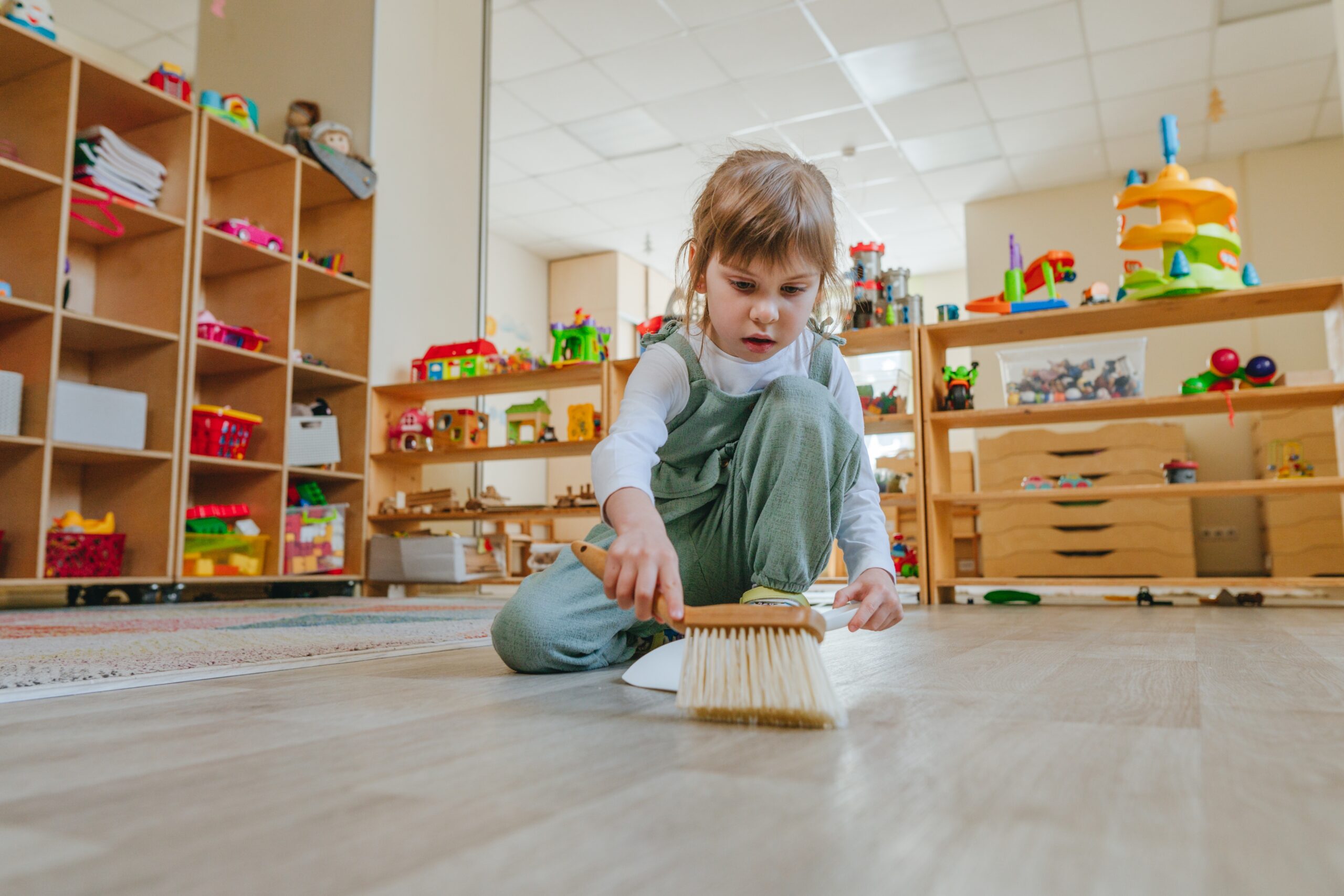
Practical life activities develop real skills children need. Furthermore, children tie their own shoes, button their coats, and pour their drinks. Additionally, they sweep, wash, and care for the environment. Subsequently, by age five, they handle daily tasks independently. These real abilities build genuine confidence.
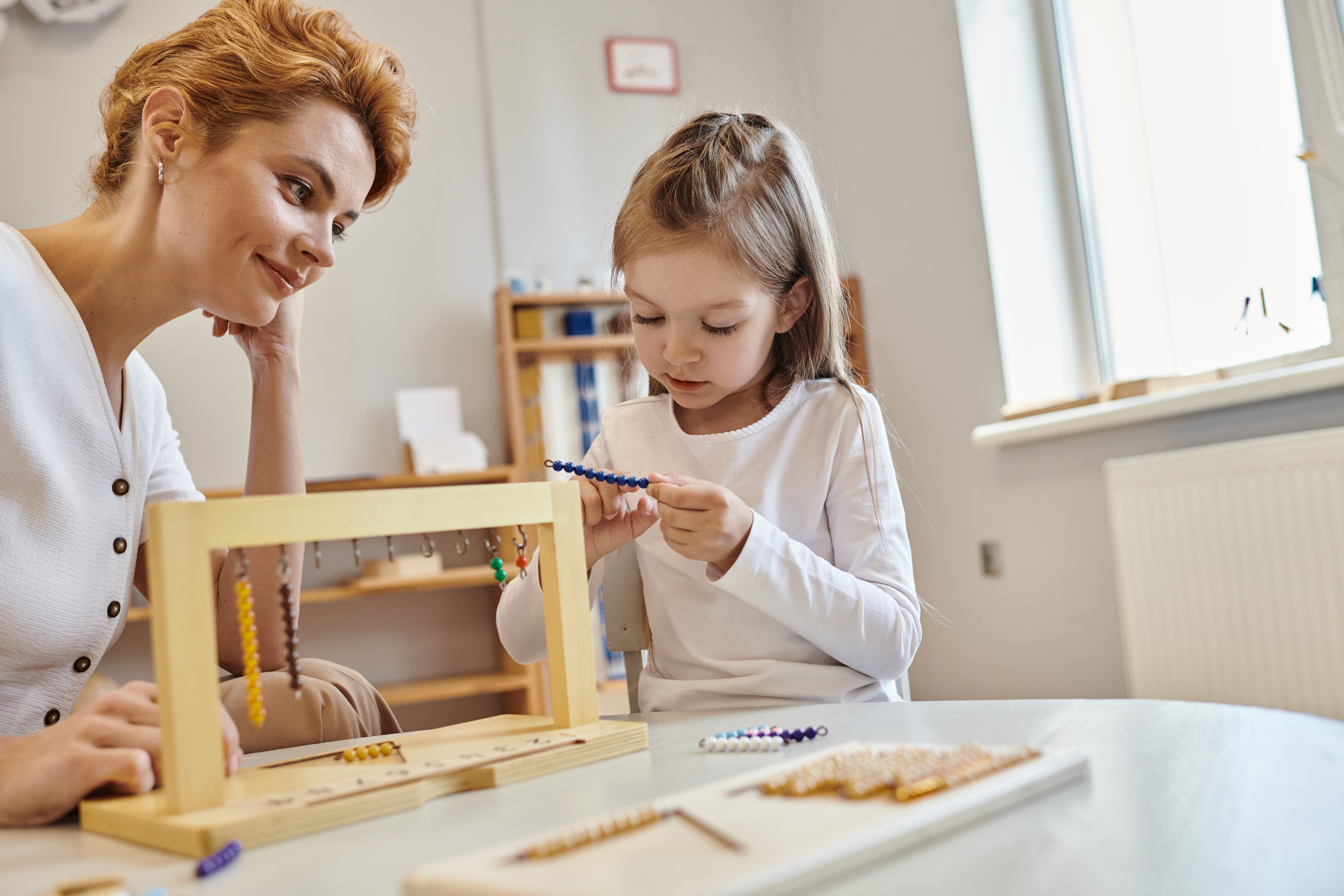
Teachers demonstrate activities once thoroughly. Furthermore, children practice until mastery without repeated instruction. Additionally, error-correcting materials provide feedback independently. Subsequently, children don’t need constant adult validation. They recognize their own progress and adjust accordingly.
The Prepared Environment Supporting Self-Direction
Kinderhaus classrooms look orderly and inviting deliberately. Furthermore, everything has a specific place children remember. Additionally, this organization supports independent material access. Subsequently, children work without asking permission constantly. Like Academy creates self-reliant children, environment design enables capability development.
Materials are arranged from simple to complex. Furthermore, children can assess difficulty independently. Additionally, they select challenging work within their capability level. Subsequently, they develop judgment about their own readiness. This self-assessment builds metacognitive awareness—thinking about thinking.
Low shelves and furniture ensure children access everything independently. Furthermore, they don’t depend on adults reaching high places. Additionally, adult assistance becomes unnecessary for normal classroom function. Therefore, independence flows naturally from physical design.
Child-Directed Learning Builds Self-Direction
Montessori classrooms don’t have rigid schedules dictated by adults. Furthermore, children direct their own learning within bounds. Additionally, this autonomy builds internal motivation. Subsequently, they develop genuine love of learning. Like Montessori philosophy builds capability, self-direction becomes intrinsic.
Children choose work that interests them each day. Furthermore, this choice makes learning personally meaningful. Additionally, intrinsic motivation surpasses any external reward. Subsequently, they persist through challenges willingly. This persistence transfers across all future learning.
Teachers observe carefully, offering lessons when children show readiness. Furthermore, instruction happens when children seek knowledge. Additionally, this timing creates deep learning. Therefore, concepts stick because children wanted to learn them.
Problem-Solving Develops Real Capability
Rather than giving answers, Montessori teachers ask questions. Furthermore, children figure out solutions independently. Additionally, this problem-solving practice builds confidence. Subsequently, they approach challenges as solvable, not defeating. Real capability emerges through repeated success.
When materials don’t work as expected, children troubleshoot independently. Furthermore, trial and error teaches resilience. Additionally, mistakes become learning opportunities, not failures. Subsequently, children develop growth mindset naturally. They believe effort produces capability.
Conflict Resolution Builds Social Independence
Kinderhaus teaches children to resolve peer conflicts respectfully. Furthermore, teachers intervene minimally, guiding toward solutions. Additionally, children develop communication and negotiation skills. Subsequently, they handle social challenges independently increasingly. These social abilities serve them throughout life.
Children practice speaking up for themselves and compromising. Furthermore, they learn listening skills and perspective-taking. Additionally, community agreements help them understand rules collaboratively. Therefore, they develop independence within community context.
Emotional Independence Builds Confidence
Montessori children develop trust in their own abilities. Furthermore, repeated success builds genuine self-confidence. Additionally, they make decisions independently with increasing frequency. Subsequently, they trust their judgment about choices. This emotional independence supports all learning and development.
Children experience natural consequences of their choices. Furthermore, this teaches responsibility powerfully. Additionally, adults don’t rescue them from reasonable difficulties. Therefore, they develop resilience and self-accountability.
Long-Term Independence Benefits
Children who develop early independence thrive in school environments. Furthermore, they advocate for themselves when help is needed. Additionally, they manage assignments and expectations responsibly. Subsequently, they become self-directed learners always. Like Kinderhaus Montessori trusted since 2005, proven approach produces lifelong capabilities.
As teenagers, these youth manage time independently. Furthermore, they make good choices without constant supervision. Additionally, they pursue interests and challenges willingly. Therefore, adolescence becomes less turbulent for families.
In adulthood, they approach careers confidently. Furthermore, they solve problems independently and creatively. Additionally, they lead others naturally. Subsequently, their early independence trajectory continues throughout life.
Recognizing True Independence in Preschools
Look for children doing things for themselves during visits. Furthermore, observe minimal teacher direction and intervention. Additionally, notice children helping each other naturally. Subsequently, these signs indicate genuine independence development. Ask questions about the educational philosophy guiding independence specifically.
Request examples of how independence is taught daily. Furthermore, specific methods matter more than general claims. Additionally, solid schools explain their approach thoroughly. Therefore, evaluate Calgary preschools by their actual practices.
Why Kinderhaus Montessori Builds Real Independence
Our directresses understand Montessori philosophy deeply. Furthermore, they implement proven methods consistently. Additionally, they recognize and support each child’s independence journey. Subsequently, children leave our program genuinely capable. Like celebrating independence through community, we recognize and celebrate their growth.
Families consistently report their children’s independence surprises them. Furthermore, five-year-olds manage tasks families thought impossible. Additionally, parents recognize competence blooming gradually. Therefore, investment in Montessori independence pays visible dividends.
Ready to build independence in your child? Explore our Montessori programs and learn more about the Montessori method that fosters self-sufficiency and confidence. Schedule a time to tour the academy and see how we develop independent learners every day.
Q: How early can independence development start?
Infants begin developing independence from 12 months. Furthermore, our Infant and Toddler Program supports this naturally. Additionally, even young children show surprising capability. Therefore, early start maximizes development potential.
Q: Will my independent Montessori child be too self-reliant?
No, they develop healthy independence within community. Furthermore, they learn interdependence alongside self-reliance. Additionally, capability and compassion develop together. Therefore, balanced independence emerges.
Q: How do you know when a child is truly independent?
Observe them managing daily tasks without prompting. Furthermore, independent children make choices confidently. Additionally, they solve problems without adult help. Therefore, behavior shows capability clearly.
Q: Does independence training take time away from academics?
Actually, it enhances academics tremendously. Furthermore, independent learners thrive academically naturally. Additionally, self-direction supports focus and motivation. Therefore, independence serves academics fundamentally.
Q: Can traditional preschools build independence too?
Some try, but method matters tremendously. Furthermore, Montessori’s systematic approach proves more effective. Additionally, research confirms Montessori children develop more independence. Therefore, methodology determines capability development outcomes.