Many parents worry about kindergarten transitions. Furthermore, they fear their child won’t adjust to traditional school structures. Additionally, stories about children struggling with classroom expectations create anxiety. However, research shows Montessori-educated children adapt remarkably well. Therefore, this choice provides genuine advantages for future success. Moreover, Kinderhaus Montessori intentionally prepares children for any school environment.
The Independence Factor
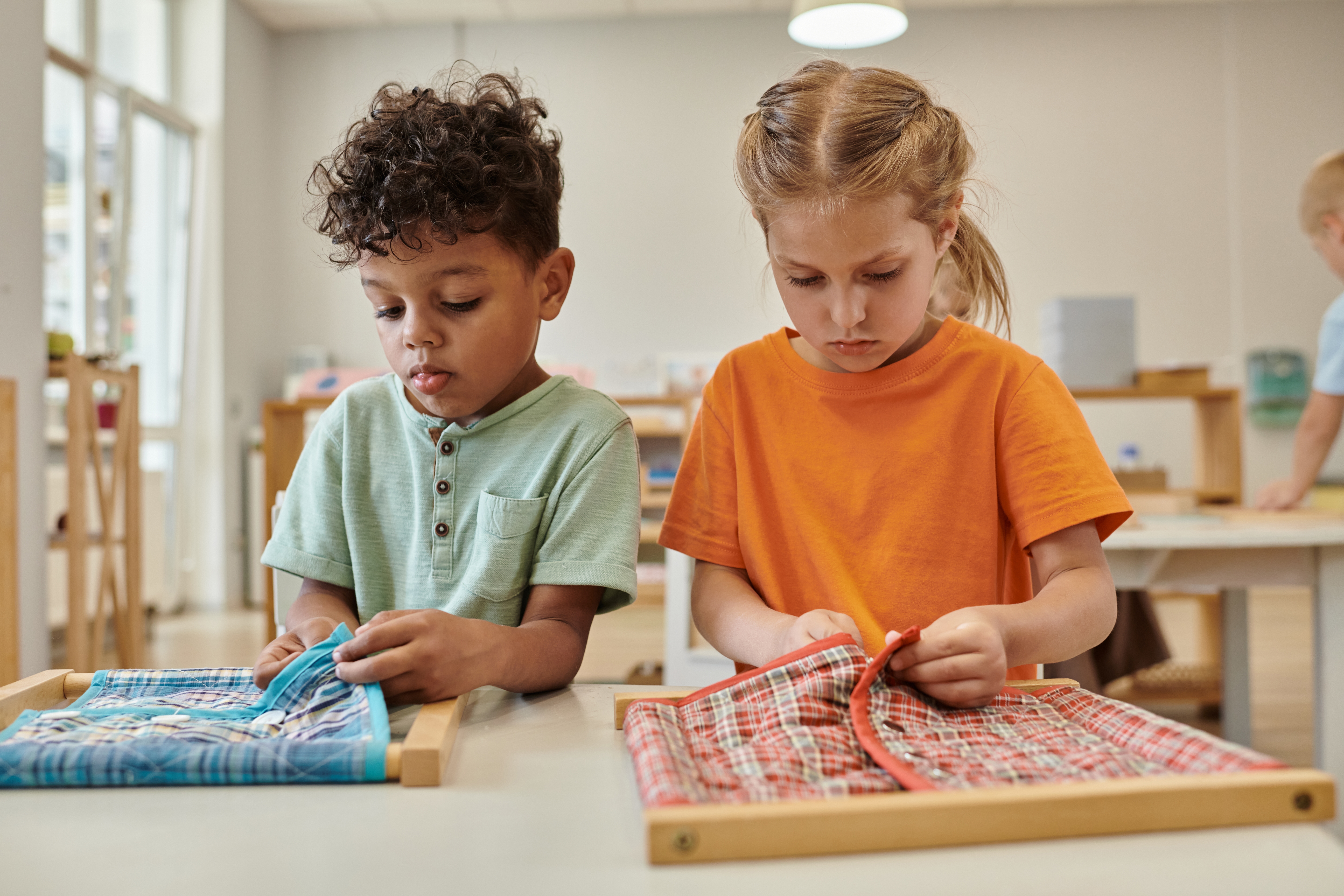
Montessori children develop self-sufficiency starting in toddlerhood. Furthermore, they practice tying shoes, pouring drinks, and managing personal care. Additionally, these practical life activities build genuine capabilities. Subsequently, by age five, they handle daily tasks independently. This independence transfers directly to school success.
Traditional school expects children to manage materials, transition between activities, and follow instructions with minimal support. Furthermore, teachers can’t tie every shoe or clean every spill. Additionally, children who’ve practiced these skills handle expectations easily. Therefore, Montessori preparation creates capable students automatically. Like Montessori programs develop independence, self-direction becomes natural, not forced.
Concentration and Focus
Montessori environments teach children to concentrate deeply. Furthermore, children work on chosen activities uninterrupted for extended periods. Additionally, this continuous work develops impressive focus abilities. Subsequently, they build concentration habits lasting throughout their education.
Kindergarten requires students to sit for group instruction and independent work. Furthermore, classroom activities demand sustained attention. Additionally, easily distracted children struggle with basic expectations. However, Montessori training produces students who focus naturally. Therefore, your child won’t fight classroom management as others do.
The prepared environment removes distractions deliberately. Furthermore, materials are orderly and inviting. Additionally, this arrangement supports extended work periods. Subsequently, children learn that focus feels good and productive.
Problem-Solving Skills
Montessori materials teach problem-solving through exploration. Furthermore, children discover solutions independently rather than following instructions. Additionally, this creates curious, resourceful thinkers. Subsequently, they approach academic challenges confidently. Like Kinderhaus Academy prepares children with thinking skills, self-direction becomes fundamental.
Traditional education sometimes emphasizes right answers over process. Furthermore, children become passive, waiting for adult approval. Additionally, they avoid trying when failure seems possible. However, Montessori children embrace challenge because they’re used to figuring things out. Therefore, they tackle difficult subjects proactively rather than shutting down.
Social Development Through Community
Montessori classrooms mix ages deliberately, creating family-like groups. Furthermore, older children mentor younger ones naturally. Additionally, this multi-age structure teaches leadership and compassion. Subsequently, children learn cooperation and respect instinctively.
Traditional schools separate children by age exclusively. Furthermore, this artificial structure doesn’t reflect real communities. Additionally, children miss opportunities to lead and support others. However, Montessori graduates understand social dynamics deeply. Therefore, they navigate peer relationships skillfully. Like learning through community events, social skills develop through genuine interaction.
Self-Discipline Developed Naturally
Montessori’s prepared environment teaches discipline differently. Furthermore, rules exist to maintain order for everyone’s benefit. Additionally, children understand why expectations matter. Subsequently, they self-regulate because they grasp the purpose.
Traditional discipline sometimes feels arbitrary to children. Furthermore, they follow rules to avoid punishment, not because they understand value. Additionally, this external motivation fades without oversight. However, Montessori children internalize discipline genuinely. Therefore, they maintain good behavior across different settings. This natural self-regulation impresses teachers immediately.
Love of Learning Established
Perhaps most importantly, Montessori children genuinely love learning. Furthermore, education feels like exploration, not forced work. Additionally, this positive association lasts throughout their lives. Subsequently, they approach school challenges as opportunities rather than threats. Like Montessori education philosophy, this joy becomes their greatest asset.
Children entering kindergarten with enthusiasm engage deeply. Furthermore, they ask questions and seek challenges actively. Additionally, teachers notice their intrinsic motivation immediately. Subsequently, they experience academic and social success together.
Evidence From Kinderhaus Montessori
Our parents report consistently that children transition beautifully to traditional schools. Furthermore, teachers recognize our graduates’ independence and capabilities. Additionally, former Kinderhaus students demonstrate leadership qualities quickly. Subsequently, they excel academically and socially. Like experienced staff since 2005, our track record proves approach effectiveness.
Previous students have thrived in public, private, and charter schools. Furthermore, their learning abilities surpass grade-level expectations. Additionally, their social skills help them build friendships easily. Therefore, the Montessori foundation prepares them for any environment.
Making the Right Choice Today
Kindergarten readiness isn’t just about academics. Furthermore, emotional resilience, independence, and motivation matter more. Additionally, these qualities develop through Montessori training naturally. Therefore, your choice today affects your child’s long-term success substantially.
Kinderhaus Montessori intentionally prepares children for future success. Furthermore, our programs build capabilities schools will value. Additionally, your child will enter kindergarten genuinely ready. Subsequently, parents can feel confident in their choice.
Q: Do Montessori children struggle with traditional education?
No, research shows they adapt well and often excel. Furthermore, their independence and self-direction translate to any setting. Additionally, teachers appreciate their motivation and focus. Therefore, transition anxiety is unnecessary.
Q: Will my child be behind other kindergarteners?
Absolutely not. Furthermore, Montessori children typically exceed academic expectations. Additionally, their thinking skills surpass traditional curricula. Therefore, acceleration is common, not struggle.
Q: Do you prepare children specifically for kindergarten?
We prepare them for lifelong learning in any environment. Furthermore, specific kindergarten readiness emerges naturally. Additionally, confidence and capability matter more than worksheets. Therefore, they’re genuinely ready.
Q: What if we choose a different school type later?
Montessori preparation provides foundational skills for any education style. Furthermore, adaptability becomes their strength. Additionally, their love of learning survives any transition. Therefore, flexibility remains their advantage.
Q: How do you know if Montessori is right for my child?
We recommend visiting and observing our classrooms. Furthermore, watching children work freely reveals their comfort. Additionally, discussing your child’s temperament helps. Therefore, you can make informed decisions together.